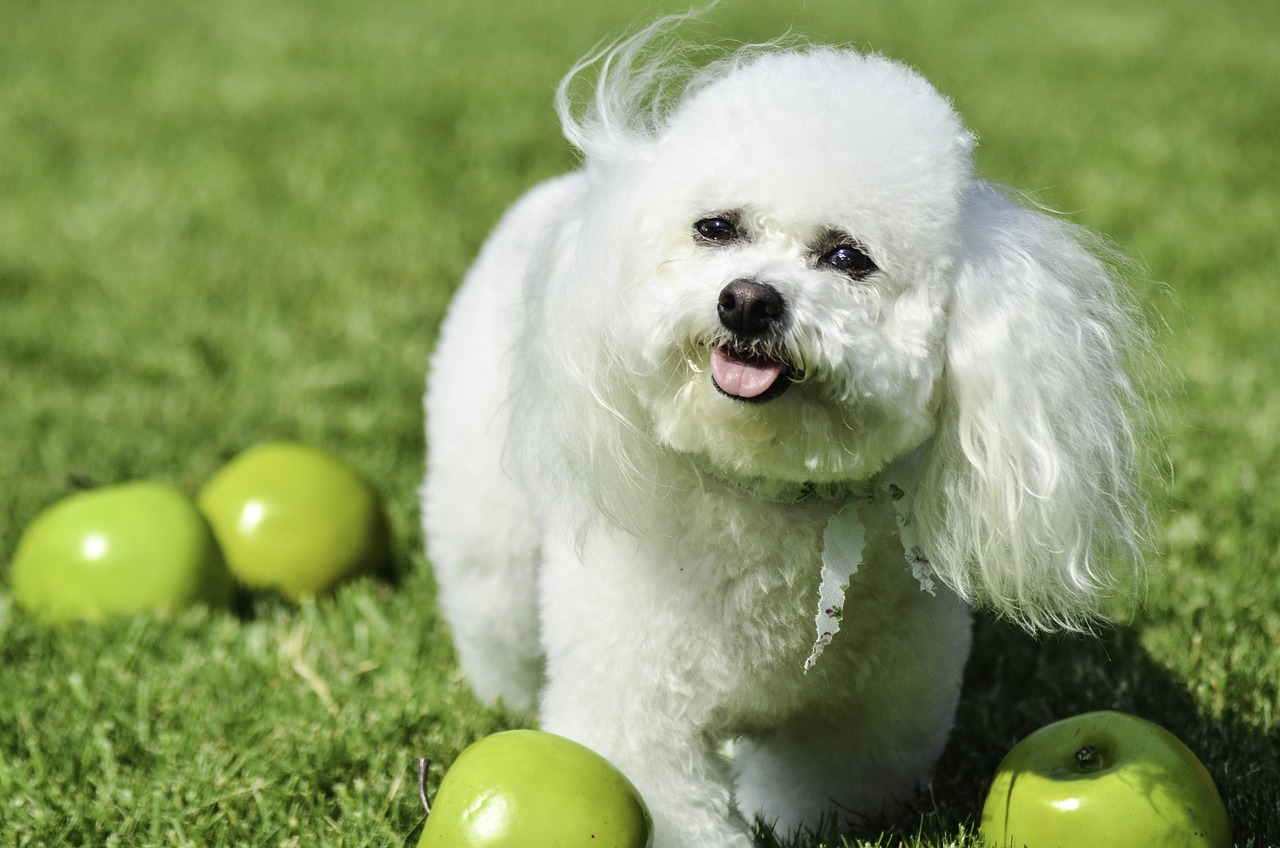
The Bichon Frise
Taking Care of Your Bichon Frise
"The Bichon Frise may look like a living cotton ball, but beneath that cloud of curls is a smart, sturdy, and endlessly cheerful companion. Originally bred as a lap and circus dog, the Bichon is designed to live closely with people—meaning they thrive on attention, routine, and gentle guidance. Their reputation as a “hypoallergenic” breed makes them highly sought after by allergy sufferers, but that doesn’t mean they’re low maintenance. In fact, the Bichon’s grooming needs, emotional sensitivity, and potential for separation anxiety can catch unprepared owners off guard. This guide, written from a veterinary perspective, walks you through exactly what a Bichon Frise needs to stay healthy and happy. You’ll learn how to manage that iconic white coat, prevent common health issues like dental disease and allergies, set up a realistic exercise and training plan, and recognize early warning signs of medical problems. Whether you’re considering your first Bichon or looking to optimize care for the fluffy friend already asleep on your couch, use this as a practical, evidence-based roadmap to give your dog the long, comfortable life they deserve."
🚨 Common Health & Behavior Issues
⚠️ Tear staining and reddish-brown fur under the eyes
Root Cause
Bichons are prone to excessive tearing (epiphora) due to shallow eye sockets, narrow tear ducts, and sometimes mild eyelid or eyelash abnormalities. Constant tear overflow keeps the fur damp, allowing yeast and bacteria to grow and oxidize pigments in the tears, which causes reddish-brown staining.
Action Plan
Have a veterinarian examine the eyes to rule out infections, ingrown eyelashes, inverted eyelids, or blocked tear ducts. Treat any underlying eye disease or allergies. Gently wipe the area below the eyes once or twice daily with a soft, damp cotton pad or a vet-approved eye wipe, always wiping away from the eye. Keep facial hair trimmed short around the eyes to reduce irritation and moisture retention. Provide fresh water (preferably filtered if your tap water is high in minerals) and a high-quality diet that avoids known food triggers if allergies are suspected.
⚠️ Matted, tangled coat and skin irritation
Root Cause
The Bichon’s single, curly coat sheds minimally, but loose hairs become trapped in the curls instead of falling out. Without regular brushing, these hairs form mats that pull on the skin, trap moisture, and reduce airflow. This can lead to redness, hot spots, and secondary bacterial or yeast infections.
Action Plan
Commit to brushing at least 3–4 times per week using a slicker brush and metal comb, focusing on friction areas: behind ears, under collar, armpits, groin, and tail base. Schedule professional grooming every 4–6 weeks for a full bath, blow-dry, and trim. Never bathe over heavy mats—have them clipped out first to avoid trapping moisture. If you notice redness, odor, or your dog licking or chewing at the skin, book a vet visit to check for infection and discuss medicated shampoos if needed.
⚠️ Separation anxiety and destructive behavior when left alone
Root Cause
Bichons are companion dogs bred to be near people. Their strong social bonding, combined with high sensitivity, makes them more prone to anxiety when left alone, especially if they’ve never been gradually taught independence. Anxiety triggers a stress response that can lead to pacing, barking, house soiling, and destructive chewing.
Action Plan
Introduce alone time gradually. Start with very short absences (1–5 minutes) and build up slowly, always returning before your dog panics. Provide a safe, cozy space (crate or pen) with long-lasting chews and puzzle toys reserved only for alone-time. Keep departures and arrivals low-key—no big emotional goodbyes. Ensure adequate physical exercise and mental enrichment daily. If signs are severe (howling, self-injury, drooling excessively, or escape attempts), consult your veterinarian and a qualified behavior professional; medication or supplements may be needed alongside behavior modification.
📅 Expert Care Routine
Daily health and bonding routine
Morning: Offer a measured portion of a high-quality small-breed diet; pick up leftovers after 20–30 minutes. Take your Bichon out for a short walk (10–20 minutes) for toileting and light exercise. Use this time to observe stool quality and gait. Midday or early evening: Provide a second meal if feeding twice daily. Incorporate 10–15 minutes of training (basic cues, tricks, or nose work) to keep their mind engaged. Throughout the day: Ensure fresh water is always available, and provide safe chew toys to support dental health and reduce boredom. Before bed: Final potty break, quick body check (eyes, ears, skin, paws), and 5 minutes of gentle affection or massage to reinforce calm behavior.
Exercise and mental enrichment schedule
Aim for a total of 45–60 minutes of activity daily, split into 2–3 sessions. Include one or two brisk walks (15–20 minutes each), adjusted for your dog’s age and health. Add 5–10 minutes of play—fetch, tug with rules, or gentle indoor games. Rotate puzzle feeders, snuffle mats, and simple scent games (e.g., hiding treats around a room) at least 3–4 times per week to prevent boredom. For seniors or dogs with joint issues, focus more on short, frequent walks and mental games rather than high-impact play. Watch for signs of fatigue (lagging, heavy panting, reluctance to move) and scale back as needed.
Grooming and hygiene routine
Brush your Bichon’s coat 3–4 times per week using a slicker brush followed by a comb to reach the skin. Check common mat-prone areas each session. Clean the area under the eyes daily or at least several times a week with a damp cotton pad or vet-approved wipe. Inspect ears weekly for redness, odor, or excess wax; clean only the visible outer ear with a dog-safe ear cleaner if recommended by your vet. Brush teeth daily or at minimum 3 times per week with canine toothpaste and a soft brush or finger brush. Bathe every 3–4 weeks, or as advised by your groomer or vet, using a gentle, dog-specific shampoo. Schedule professional grooming every 4–6 weeks for coat trimming and nail clipping.
Preventive veterinary care routine
Puppies should see the vet every 3–4 weeks until their core vaccines are complete (usually around 16 weeks), including distemper, parvovirus, and rabies, plus any recommended lifestyle vaccines. Adults need a wellness exam at least once a year; seniors (over 8–9 years) benefit from exams every 6 months. Discuss parasite prevention for fleas, ticks, and heartworms based on your region and lifestyle. Have your vet perform regular dental checks; many Bichons need professional dental cleaning starting as early as 3–5 years old. Consider annual baseline bloodwork and urinalysis from middle age onward to catch kidney, liver, or endocrine issues early. Keep a record of weight, vaccines, medications, and any behavior or appetite changes to share at each visit.
The "Must-Have" Setup
Essential gear for keeping your Bichon Frise healthy.