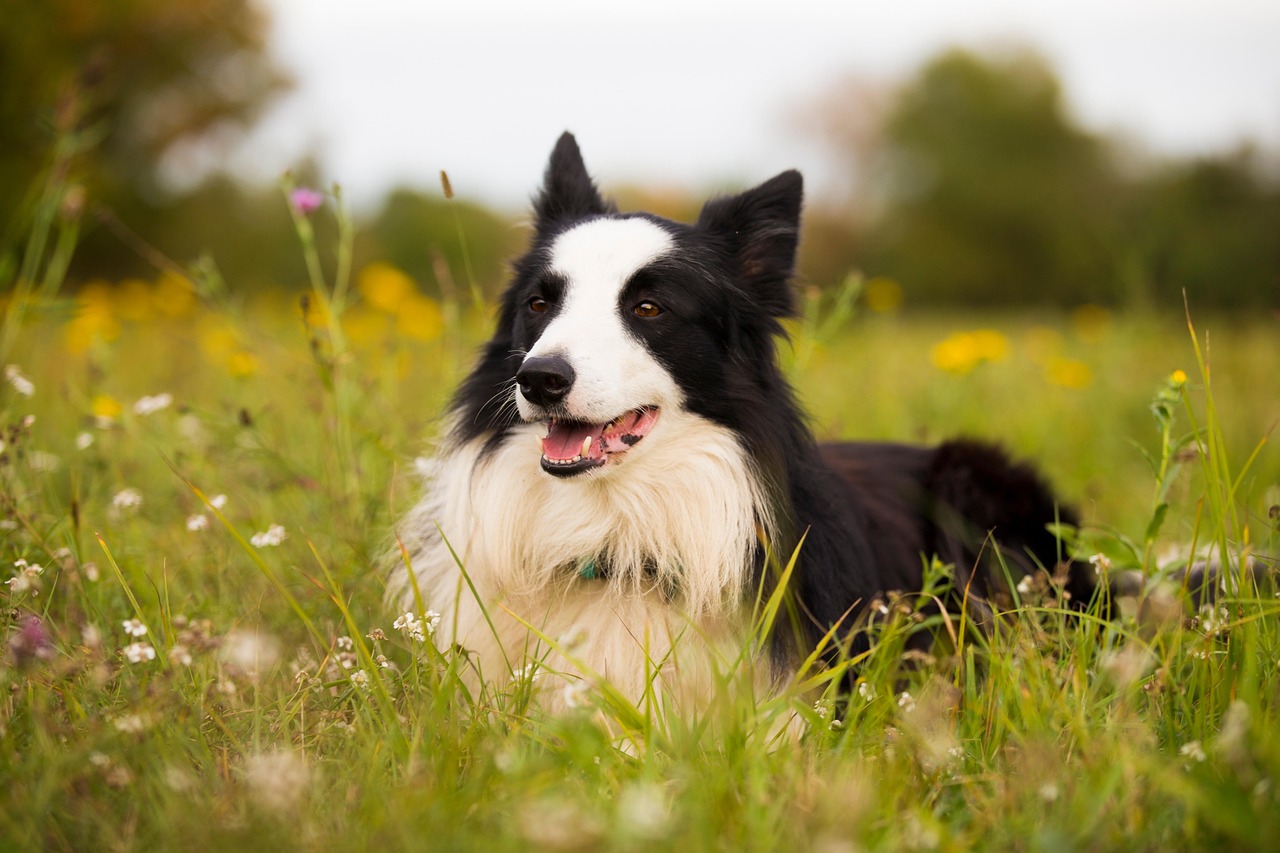
The Border Collie
Taking Care of Your Border Collie
"Border Collies are often called the Einsteins of the dog world—and for good reason. Bred to work long days herding sheep across rugged terrain, they combine extraordinary intelligence with almost endless energy. That combination can create the most incredible canine partner you’ll ever have… or a frustrated, anxious whirlwind if their needs aren’t met. Many behavior problems in Border Collies—nipping, obsessive chasing, spinning, barking, or destroying the house—aren’t “bad behavior” so much as unmet mental and physical needs. This guide is written from a veterinary behavior and health perspective to show you exactly how to keep a Border Collie healthy, calm, and fulfilled. You’ll learn realistic exercise targets (beyond “lots of walks”), how to prevent common joint and eye diseases, what kind of training this breed truly thrives on, and how to build a daily routine that channels their intensity into good habits. Whether you share your life with a working dog, a sports prospect, or a family companion, this care plan will help you protect their body, support their sharp mind, and avoid the most common mistakes owners regret later."
🚨 Common Health & Behavior Issues
⚠️ Hyperactivity, restlessness, and destructive behavior at home
Root Cause
Border Collies were selectively bred for sustained, high-intensity work and problem-solving. Their baseline arousal level is naturally high, and their brains are wired to seek tasks. Without adequate physical exercise and structured mental challenges, stress hormones (like cortisol) and arousal remain elevated, leading to pacing, chewing, vocalizing, and difficulty settling.
Action Plan
Aim for at least 90–120 minutes of varied, purposeful activity daily: brisk walks, off-leash running in safe areas, fetch with rules, and structured tug games. Add 20–40 minutes of mental work: scent games, puzzle feeders, trick training, and short obedience sessions. Use a predictable daily routine with clear ‘on’ and ‘off’ times, and teach a solid “settle” on a mat. If the dog cannot relax even with good exercise, consult a veterinarian or veterinary behaviorist to rule out pain and anxiety disorders.
⚠️ Nipping at heels, chasing cars, bikes, kids, or other pets
Root Cause
These behaviors are expressions of the herding motor pattern—stalking, chasing, circling, and controlling movement. In modern homes, there is no flock to manage, so natural instincts redirect to fast-moving stimuli. High visual sensitivity, quick reaction times, and reinforcement from the environment (movement continues or accelerates) all strengthen the unwanted behavior.
Action Plan
Prevent rehearsal: use leashes, long lines, fences, and baby gates to block access to triggers. Teach strong alternative behaviors: a rapid recall, a hand target, or a “this way” cue. Provide appropriate outlets for herding-style behavior such as structured fetch, frisbee, or supervised herding lessons with a qualified professional. Reward calm behavior around movement at a distance, gradually decreasing distance as the dog succeeds. If there is fixation or loss of control around cars or bikes, seek help from a reward-based trainer experienced with herding breeds.
⚠️ Joint problems and early arthritis (hip/elbow dysplasia, cruciate ligament tears)
Root Cause
Border Collies are athletic, explosive movers with frequent quick turns, jumping, and stopping—especially in sports like agility or intense fetch. Genetic predisposition to hip and elbow dysplasia, combined with rapid growth, over-exercise in young dogs, slippery surfaces, and repetitive high-impact activities, increases joint wear and tear and risk of ligament injuries.
Action Plan
Choose breeders who screen hips, elbows, and relevant genetic conditions (ask for OFA/BVA and eye test results). Keep puppies lean and avoid repetitive jumping, stairs, and forced running until growth plates close (around 12–18 months). Use non-slip flooring or rugs at home, warm up and cool down before intense play or sports, and maintain an ideal body condition score (slight waist, ribs easily felt). Schedule regular vet exams, and if you see limping, stiffness, or reluctance to jump, rest the dog and seek veterinary evaluation promptly.
📅 Expert Care Routine
Morning: Physical Outlet and Potty
Start the day with a 30–45 minute brisk walk, jog, or off-leash run in a safe area. Include 5–10 minutes of structured engagement—recalls, sits, hand targets—so the dog checks in with you instead of scanning the environment for self-selected “jobs.” Offer a chance to toilet before and after exercise. Feed breakfast through a slow feeder or simple puzzle toy to begin mental engagement and prevent gulping.
Midday: Mental Work and Calm Practice
Schedule a 15–30 minute session of brain work: scent games (hide treats or toys), simple agility in the yard, trick training, or shaping games. Follow this with a deliberate calm period: settle on a mat with a chew (bully stick, safe long-lasting chew, or stuffed Kong). For owners who are away during the day, use puzzle feeders, snuffle mats, and a dog walker or dog sitter who can provide a structured walk rather than just yard time.
Evening: High-Quality Training and Play
Dedicate 20–40 minutes to focused activity: obedience, sports training (agility, flyball, frisbee), or controlled fetch with rules (sit before throw, release cue, short breaks). Avoid endless high-arousal ball chasing. Integrate impulse control—waits, stays, and calm releases. After play, do a short cool-down walk and a brief body check for cuts, burrs, or soreness. Feed dinner, again using puzzle feeders or training portions to maintain engagement without overfeeding.
Night: Wind-Down and Health Check
The last 10–15 minutes of the day should be low-key: gentle petting, massage, or quiet chew time in their bed or crate. Offer a final potty break. Quickly check ears, eyes, teeth, and paws, and run your hands along the body to detect any new lumps, heat, or pain. Keep the sleep area dark, comfortable, and away from high-traffic or noisy spots so your Border Collie can properly rest and reset for the next active day.
The "Must-Have" Setup
Essential gear for keeping your Border Collie healthy.