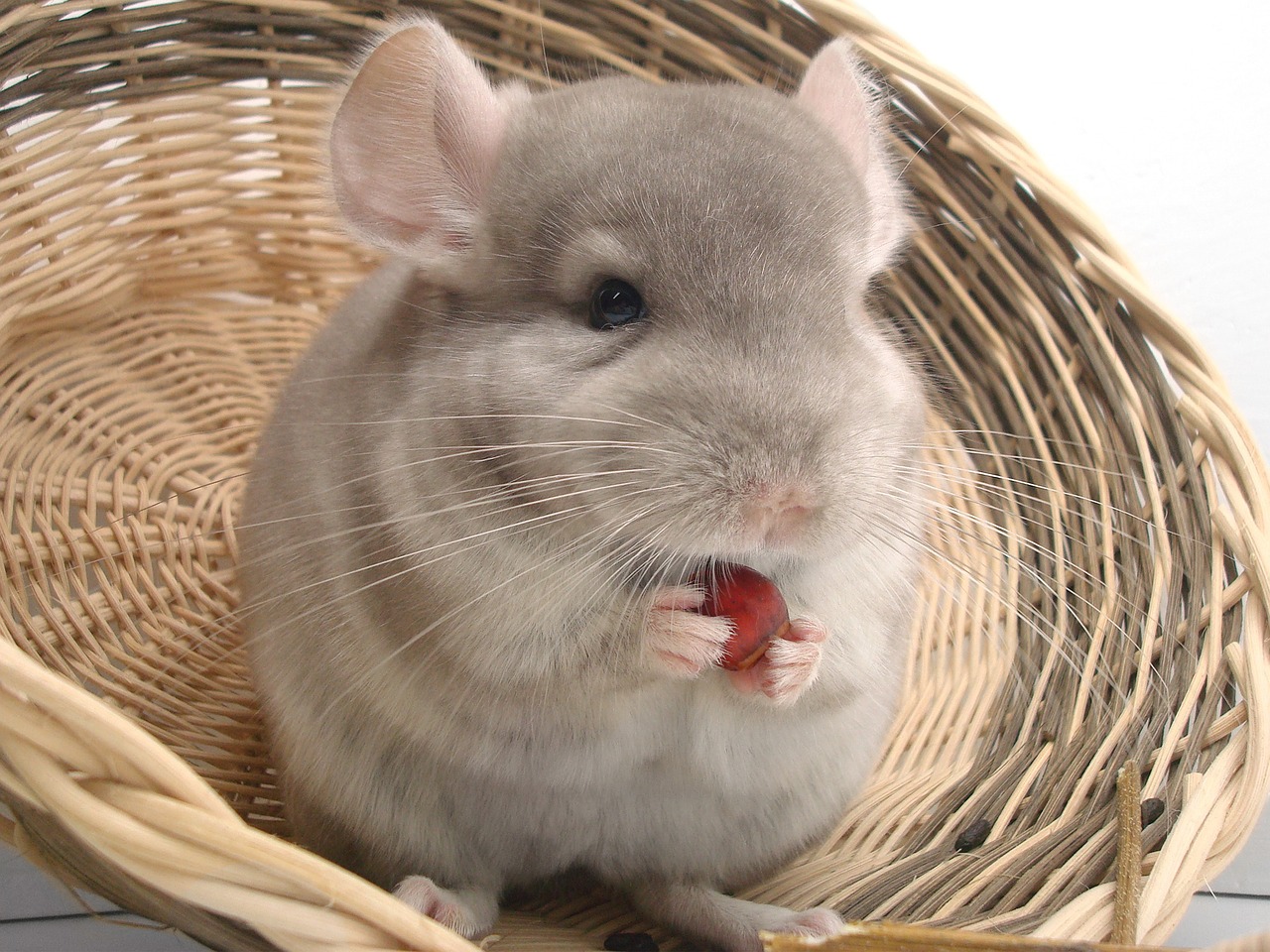
The Chinchilla
Taking Care of Your Chinchilla
"Chinchillas are often described as tiny clouds with ears—and it’s not far from the truth. Their ultra-dense fur, big expressive eyes, and playful personalities make them irresistible companions. But behind that adorable appearance is a very specific set of needs that many new owners aren’t prepared for. Chinchillas are not just “small rabbits” or “hamsters with extra fluff.” They are high-energy, heat-sensitive, long-lived rodents with delicate digestive systems and a strong instinct to chew, jump, and explore. Without the right environment, they can become stressed, overweight, or seriously ill. This guide is written from a veterinary perspective to help you understand what your chinchilla truly needs to thrive—not just survive. You’ll learn how to choose the right cage, prevent common health problems, offer a safe diet, and create a daily routine that respects their natural behavior. Whether you’re considering adopting your first chinchilla or improving life for one you already love, use this as a blueprint for responsible, compassionate care. When you get the basics right, you’ll be rewarded with a curious, interactive companion who can share your life for well over a decade."
🚨 Common Health & Behavior Issues
⚠️ Soft stools, diarrhea, or bloating
Root Cause
Chinchillas have a highly specialized hindgut designed to ferment high-fiber, low-fat plant material. Diets rich in sugary treats, fresh fruits/vegetables, or sudden diet changes disrupt the gut microbiome and motility, leading to gas buildup, soft stools, or life-threatening gastrointestinal stasis.
Action Plan
Immediately remove all treats, fresh produce, and high-carb pellets. Offer unlimited high-quality grass hay (timothy, orchard). Ensure constant access to clean water. Monitor for decreased appetite, lethargy, or very small/no droppings—these are emergencies requiring an exotic-savvy veterinarian within hours. Long term, standardize the diet: mostly hay, a measured amount of plain chinchilla pellets, and very limited, gradual introduction of any new item.
⚠️ Overheating and heat stroke
Root Cause
Chinchillas evolved in cool, dry Andean climates and have extremely dense fur with 50–80 hairs per follicle. They cannot sweat or pant effectively, so they struggle to dissipate heat. Prolonged exposure to temperatures above 75°F (24°C), high humidity, or poor ventilation quickly leads to heat stress and potentially fatal heat stroke.
Action Plan
If your chinchilla seems warm, droopy, breathing rapidly, or lying stretched out, move them immediately to a cooler, quiet room. Offer a cool (not frozen) ceramic tile or chin-safe cooling stone. Do NOT bathe or spray them with water. Use fans to circulate room air (not directly on the chin) and, if available, air conditioning. If signs are severe—red ears, wobbliness, collapse—treat as an emergency and contact a vet immediately.
⚠️ Dental disease (overgrown or misaligned teeth)
Root Cause
Chinchilla teeth (incisors and molars) grow continuously throughout life. Inadequate chewing of abrasive, fibrous foods or genetic malocclusion can lead to overgrowth, sharp points, tooth root elongation, and painful mouth lesions. This causes drooling, weight loss, and eventually systemic illness.
Action Plan
If you notice drooling (“slobbers”), difficulty chewing, dropping food, weight loss, or a wet chin, schedule an exotic vet exam promptly. Treatment may include dental radiographs, tooth trimming under anesthesia, and pain control. At home, ensure a diet dominated by long-stem hay and provide safe chew items (untreated apple or willow branches, pumice stones made for chinchillas). Avoid seed mixes and soft, low-fiber diets.
📅 Expert Care Routine
Morning health and environment check (5–10 minutes)
Check your chinchilla’s general behavior: bright eyes, alert posture, normal movement. Look at the droppings for quantity and consistency. Confirm water bottle function (no leaks or blockages) and top up hay. Glance at the room thermometer to ensure temperature and humidity are within the safe range. Remove any obviously soiled bedding or wet spots to keep the environment dry and odor-free.
Evening feeding and enrichment (20–30 minutes)
Provide fresh grass hay in multiple locations and a measured portion of high-quality chinchilla pellets (typically 1–2 tablespoons per adult, per day, unless your vet advises otherwise). Offer a safe chew toy or rotate an existing one to maintain interest. This is also a good time to offer a very small, approved treat (like a single rose hip or tiny piece of dried herb) if your chinchilla’s gut health is stable.
Supervised playtime and interaction (30–60 minutes)
In a chinchilla-proofed area, allow your pet to run, jump, and explore. Block access to electrical cords, plastic items, houseplants, and anything they can squeeze behind or under. Provide shelves, tunnels, and boxes to climb on. Use calm movements and a quiet voice; let your chinchilla approach you. Gradually build trust with gentle handling, supporting the chest and hindquarters securely, never grabbing the tail or fur.
Dust bath and wind-down (10–15 minutes, several times per week)
Offer a chinchilla-specific dust bath 2–4 times per week, more often in humid climates. Place 1–2 inches of dust in a heavy, tip-resistant container and allow your chinchilla to roll for 5–10 minutes. Remove the bath afterward to prevent overuse, which can dry the skin. Avoid scented or perfumed dusts. During this time, quietly observe coat condition, eyes, ears, and feet for any redness, bald patches, or injuries.
The "Must-Have" Setup
Essential gear for keeping your Chinchilla healthy.