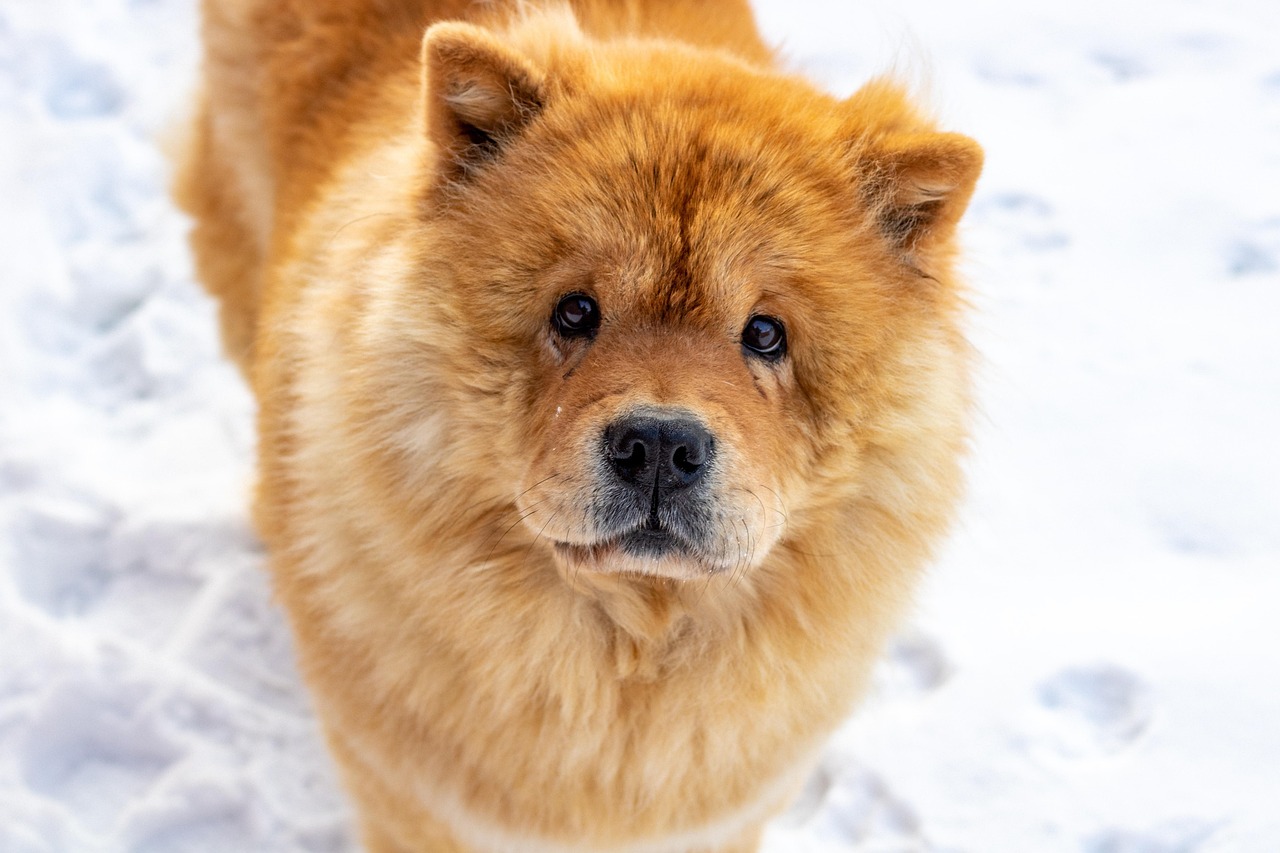
The Chow Chow
Taking Care of Your Chow Chow
"The Chow Chow is one of the most striking dog breeds in the world—part lion, part bear, and completely unforgettable. With their deep-set eyes, impressive mane, and famously blue-black tongue, they look tough and independent. But under that plush coat is a highly sensitive, complex dog that demands thoughtful, consistent care. Many new owners fall in love with the Chow’s regal appearance only to be overwhelmed by the grooming, stubbornness, and health needs that come with the package. This is not a “set and forget” family pet, nor a typical cuddly lapdog. Chows are loyal to their people, reserved with strangers, and can be intensely clean and cat-like in their habits. They thrive with structure, respect, and calm leadership—not harsh handling or chaotic homes. In this guide, you’ll learn how to manage their dense double coat, protect their joints and eyes, navigate their unique temperament, and build a routine that keeps them comfortable and confident. If you’re ready for a dog that will never be a clown but might quietly become your shadow, this Chow Chow care guide will help you do right by this ancient, dignified breed."
🚨 Common Health & Behavior Issues
⚠️ Heavy shedding, mats, and skin infections under the dense coat
Root Cause
Chow Chows have a very thick double coat with a woolly undercoat and harsh outer coat. Without regular, thorough brushing, dead hair traps moisture and debris against the skin, disrupting the skin barrier and promoting bacterial or yeast overgrowth. Their skin folds (especially around the neck and tail base) are poorly ventilated, increasing humidity and infection risk.
Action Plan
Brush at least 3–4 times per week with a slicker brush and undercoat rake, working down to the skin without scratching it. Focus on friction areas: behind ears, under collar, armpits, groin, tail base. Schedule a full bath every 4–8 weeks using a gentle, dog-safe shampoo, followed by complete drying with a blow dryer on cool or warm (never hot). Check the skin weekly for redness, odor, scabs, or oozing and see your vet promptly for any suspicious spots.
⚠️ Stiffness, lameness, and reluctance to move due to joint disease
Root Cause
Chow Chows are predisposed to orthopedic issues such as hip and elbow dysplasia, cruciate ligament tears, and early-onset arthritis. Their compact, heavy build puts extra stress on joints, especially if they are overweight or over-exercised on hard surfaces. Genetic factors, rapid puppy growth, and poor conditioning further increase risk.
Action Plan
Keep your Chow lean; you should easily feel ribs under a thin fat layer. Feed a high-quality, large-breed puppy food until skeletal maturity, then transition to an adult formula. Avoid repetitive high-impact activities (long runs, jumping, stairs) especially in young dogs. Provide daily low-impact exercise like controlled leash walks and gentle play. Ask your vet about baseline hip and elbow X-rays in early adulthood and joint supplements (omega-3s, glucosamine, chondroitin) if appropriate.
⚠️ Behavioral issues: aloofness, aggression, and difficulty with handling
Root Cause
Chows are naturally reserved and can be territorial and protective. Without early, structured socialization and gentle handling, they may interpret unfamiliar people or handling (grooming, vet exams) as threats. Their independent, somewhat stubborn temperament means they do not respond well to harsh training methods and may shut down or react defensively.
Action Plan
Start socialization early and continue throughout life: calm, controlled exposure to different people, surfaces, sounds, and environments. Pair each new experience with high-value treats and space to retreat. Use positive reinforcement training with clear boundaries and consistency—short, focused sessions work best. Practice handling (paws, ears, mouth, tail) daily with rewards. For adults with established issues, work with a qualified force-free behaviorist.
📅 Expert Care Routine
Morning: Calm start, toilet break, and structured walk
Begin the day with a quiet, predictable routine. Take your Chow out for a toilet break as soon as you wake. Follow with a 20–30 minute controlled leash walk, focusing on loose-leash walking and calm behavior around people and other dogs. Avoid dog parks; Chows generally do better with parallel walks or small, known playmates. After the walk, offer breakfast measured according to your vet’s calorie recommendation, and remove uneaten food after 15–20 minutes to prevent grazing and weight gain.
Midday: Mental enrichment and rest
Chows are not high-energy, but they do need mental stimulation. Provide 10–15 minutes of training (basic cues, tricks, handling practice) or a puzzle feeder for part of their meal. Offer safe chew items to satisfy natural chewing needs. Ensure they have a cool, comfortable resting area away from household chaos; overheating is a risk due to their heavy coat. Adult Chows will spend much of the day resting, so prioritize quality mental work over long, exhausting exercise sessions.
Evening: Grooming check, light exercise, and bonding
In the evening, take another 15–25 minute walk or gentle play session in the yard. After exercise, do a quick daily grooming check: run your fingers through the coat, inspect ears, eyes, and paws, and wipe any damp areas, especially in humid weather. Brush lightly a few times per week, and perform a more thorough session at least weekly. Use this time for calm affection—most Chows prefer quiet closeness over rough play or constant petting. Finish with dinner, again measured, and a final toilet break before bed.
Weekly & monthly: Deep grooming and health maintenance
Once a week, set aside dedicated time for a full-body brush-out, nail trim (or at least nail check), ear cleaning with vet-approved solution, and dental care (toothbrushing or dental products your vet recommends). Every 4–8 weeks, schedule a bath and professional grooming if needed, especially to manage the coat around the hindquarters and paws. Review parasite prevention (fleas, ticks, heartworm) monthly and maintain regular vet check-ups, including eye and joint evaluations, as Chows are prone to entropion and orthopedic issues.
The "Must-Have" Setup
Essential gear for keeping your Chow Chow healthy.