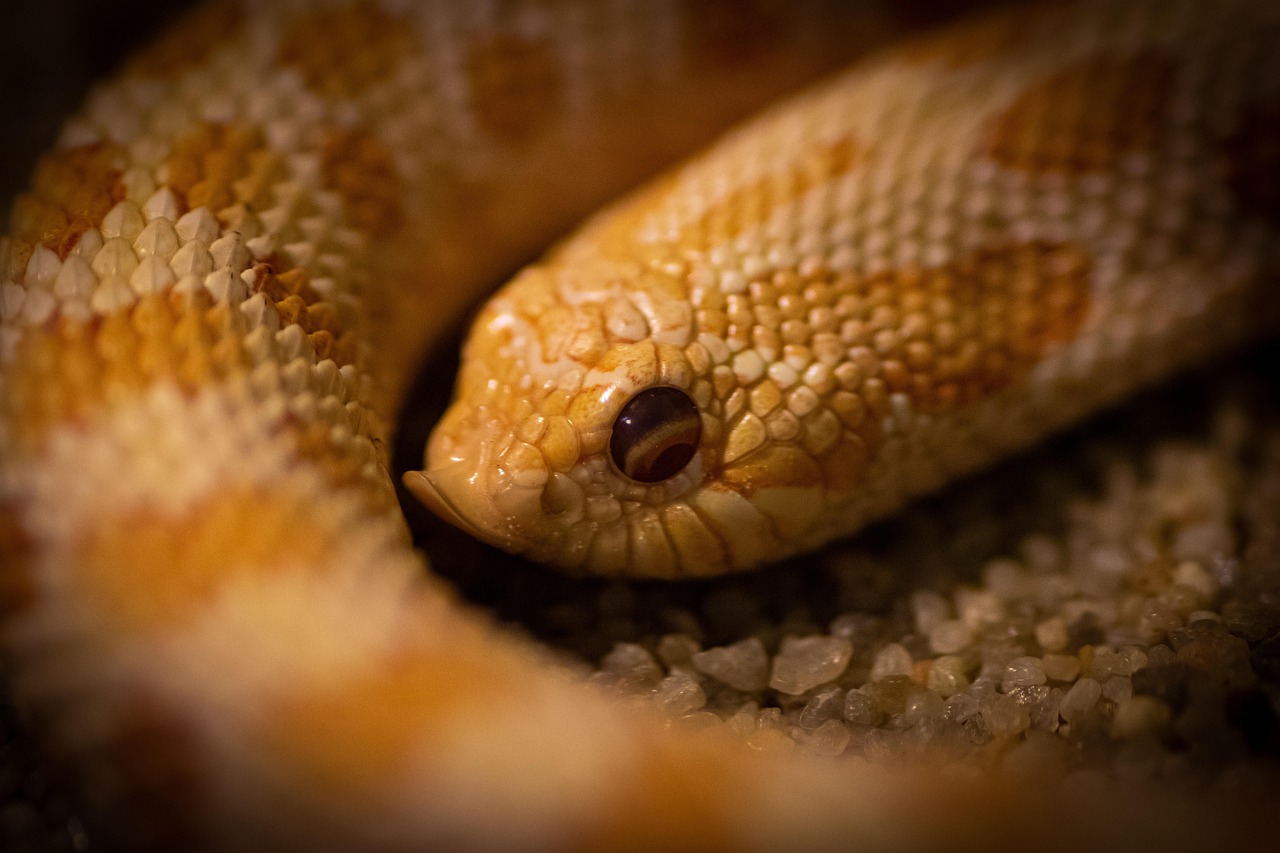
The Hognose Snake
Taking Care of Your Hognose Snake
"Hognose snakes are one of the most entertaining and beginner‑friendly pet snakes you can keep. With their upturned “hog” noses, dramatic cobra-like bluff displays, and tendency to play dead when stressed, they’re full of personality in a small, manageable package. But their charm can be misleading—hognoses still have very specific environmental and dietary needs that must be met to keep them healthy. As a veterinary specialist in reptiles, I often see preventable issues in hognose snakes: poor sheds, refusals to eat, and respiratory infections, all rooted in simple husbandry mistakes. This guide walks you through exactly how to set up and care for a hognose snake properly, from choosing the right enclosure and substrate to dialing in temperatures, feeding safely, and recognizing early signs of illness. Whether you’re considering your first hognose or looking to improve the care of one you already own, you’ll learn what actually matters from a health perspective—based on current reptile medicine, not myths. Follow these steps and you’ll have a curious, active snake with a strong feeding response and minimal stress, instead of a shy, sickly pet hiding under the substrate."
🚨 Common Health & Behavior Issues
⚠️ Refusal to eat, especially in juveniles
Root Cause
Most commonly due to improper temperatures, excessive handling, or offering prey that is too large, wrong type, or presented in a stressful way. Seasonal appetite changes (especially in males) can also occur due to natural breeding cycles and photoperiod sensitivity.
Action Plan
Verify warm side surface temperature (not just air) is 88–92°F (31–33°C) with an infrared thermometer. Ensure the snake has multiple secure hides and is not housed in an enclosure that is too large and open for its size. Offer appropriately sized, thawed mice (no larger than the widest part of the body) in the evening, leaving the snake undisturbed for 24 hours before and after feeding. Reduce handling until regular feeding resumes. If the snake loses more than 10% body weight or refuses food for over 4–6 weeks (shorter for small juveniles), consult a reptile veterinarian.
⚠️ Stuck shed or incomplete shedding (dysecdysis)
Root Cause
Inadequate humidity, lack of rough surfaces for rubbing, dehydration, and underlying health issues can all impair the normal shedding cycle. Overly dry, dusty substrates and constant high heat without a humidity gradient are common husbandry triggers.
Action Plan
Provide a humidity hide: a secure hide box filled with slightly damp sphagnum moss on the warm side. Maintain ambient humidity around 30–50% with a localized higher-humidity hide rather than soaking the whole enclosure. Add climbing branches and textured décor for the snake to rub against. If shed is stuck—especially around the eyes or tail tip—use a lukewarm damp towel in a ventilated container for 15–20 minutes, then gently roll the snake through the towel. Never peel shed off forcefully. Persistent dysecdysis warrants a veterinary exam to rule out parasites and systemic illness.
⚠️ Wheezing, open-mouth breathing, or mucus around nostrils (respiratory infection)
Root Cause
Chronic low temperatures, high humidity without proper ventilation, dirty enclosures, and stress weaken the immune system and allow bacteria to proliferate in the respiratory tract. Hognoses are particularly sensitive to cool, damp conditions.
Action Plan
Confirm temperature gradient: warm side 88–92°F (31–33°C) surface, cool side 75–80°F (24–27°C). Ensure good ventilation and avoid constantly wet substrate. Clean and disinfect the enclosure regularly, removing waste promptly. If you observe audible breathing, bubbles from the nose, lethargy, or the snake holding its head elevated for long periods, seek a reptile veterinarian quickly—respiratory infections require antibiotics and sometimes nebulization, not just husbandry corrections.
📅 Expert Care Routine
Daily: Quick health and environment check
Observe your hognose’s posture, breathing, and activity during its normal active period (often evening). Check that the warm side surface temperature is 88–92°F (31–33°C) and the cool side is 75–80°F (24–27°C). Confirm water is clean and the bowl is not fouled with substrate or waste. Spot-clean any feces or urates and remove uneaten prey promptly. Limit handling to short, calm sessions, especially for new or young snakes.
Weekly: Cleaning, feeding, and handling rhythm
Feed adults once every 5–7 days and juveniles every 4–5 days with appropriately sized thawed rodents. Avoid handling for 24–48 hours after feeding to reduce regurgitation risk. Once a week, stir or partially replace substrate in heavily used areas, wipe down glass/acrylic surfaces, and check hides and décor for mold or waste. Briefly handle your snake on non-feeding days to maintain a calm, predictable routine and reduce stress associated with human contact.
Monthly: Deep clean and health check
Once every 4–6 weeks, move your hognose to a secure temporary container and remove all substrate. Wash the enclosure and décor with a reptile-safe disinfectant or diluted chlorhexidine, rinse thoroughly, and dry before reassembly. Inspect your snake closely for mites, lumps, wounds, mouth discoloration, abnormal scales, or retained shed (especially on the tail tip and eyes). Weigh your snake on a kitchen scale and record the weight to track long-term trends in body condition.
Seasonal: Environment and health review
At least 2–3 times per year, reassess your entire setup. Check that heating elements and thermostats are functioning and recalibrate thermometers if possible. Adjust photoperiod to follow a natural light cycle (shorter in winter, longer in summer) while avoiding drastic changes that may trigger prolonged fasting in sensitive individuals. Schedule an annual wellness exam with a reptile veterinarian, especially for breeding animals or snakes with any history of illness, to screen for parasites and subtle chronic conditions.
The "Must-Have" Setup
Essential gear for keeping your Hognose Snake healthy.