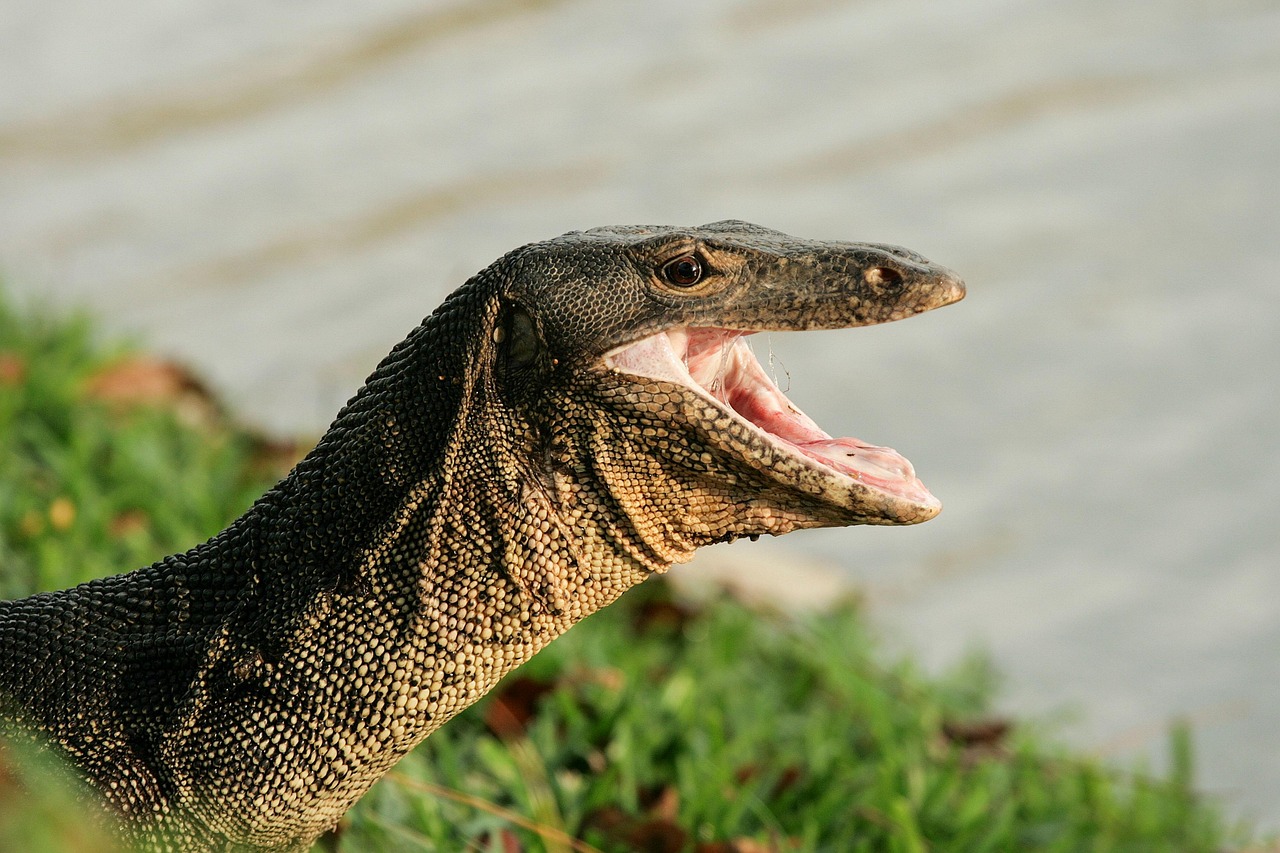
The Monitor Lizard
Taking Care of Your Monitor Lizard
"Monitor lizards are some of the most impressive reptiles kept in captivity—powerful, intelligent, and surprisingly inquisitive. But that “mini dinosaur” appeal comes with serious responsibility. These are not starter pets; most species grow large, are extremely strong, and require advanced housing, strict temperature control, and a carefully managed diet. Done right, a monitor can live for decades and form a responsive, almost dog-like presence in your home. Done poorly, they become stressed, aggressive, malnourished, and dangerously strong. This guide is written from a veterinary and husbandry standpoint to help you decide if a monitor is right for you—and, if so, to give you a clear, practical roadmap to proper care. We’ll cover the essentials: choosing appropriate species, enclosure dimensions, heating and lighting, nutrition, enrichment, and common medical issues. While details vary between species (Ackie, Savannah, Asian water monitor, etc.), the core principles are the same: big space, high heat, deep substrate, whole-prey diet, and respect for their intelligence and power. If you’re ready to commit to serious, long-term care, a monitor lizard can be one of the most rewarding reptiles you’ll ever keep."
🚨 Common Health & Behavior Issues
⚠️ Lethargy, poor appetite, and constant hiding
Root Cause
Most commonly due to improper temperatures and humidity. Monitors are heliothermic reptiles that rely on external heat to drive metabolism, digestion, and immune function. A basking area that is too cool, nighttime temperatures that drop too low, or chronic dehydration from low humidity will suppress activity and appetite, and can predispose to infections.
Action Plan
Measure temperatures with a digital thermometer and infrared temp gun, not just dial gauges. Provide a basking hotspot of 120–140°F (species-dependent) with a strong overhead heat source and a cooler end around 80–85°F. Ensure night temps do not fall below species-appropriate minimums. Adjust humidity using deep substrate, larger water bowls, and partial enclosure covering. Reassess after 7–10 days; if signs persist, seek reptile veterinary evaluation, including fecal exam and bloodwork if indicated.
⚠️ Obesity and fatty liver disease
Root Cause
Monitors are opportunistic carnivores with strong feeding responses. In captivity they are often overfed calorie-dense, fatty foods (rodents, eggs, processed meats) with limited opportunity to move and hunt. This creates chronic caloric excess, leading to fat deposition in the body cavity and liver, impaired organ function, and shortened lifespan.
Action Plan
Transition to a leaner, more varied diet: insects (roaches, crickets, locusts), appropriately sized whole prey, and occasional eggs as treats—not staples. Reduce feeding frequency based on age and body condition (e.g., adults 2–3 times per week, not daily). Increase enclosure size, climbing opportunities, and encourage active foraging (scatter feeding, feeding puzzles). Have a reptile vet assess body condition and, if needed, run imaging or blood tests to evaluate liver health.
⚠️ Swollen limbs, jaw deformity, and weak movements
Root Cause
These are classic signs of metabolic bone disease (MBD), caused by chronic calcium deficiency, improper calcium-to-phosphorus ratio, and/or inadequate UVB exposure. Without sufficient UVB, the body cannot synthesize vitamin D3 effectively, which is needed to absorb and utilize dietary calcium. Bones become soft, deformed, and prone to fractures.
Action Plan
Install high-quality, appropriately strong UVB lighting (e.g., T5 HO tube, 10–12% or equivalent) at the correct distance with no glass or plastic between bulb and animal. Provide a calcium-rich diet with proper supplementation (calcium without D3 for animals under UVB; calcium with D3 only under veterinary guidance). Ensure basking temperatures are correct so calcium metabolism is optimal. Any visible skeletal changes warrant immediate veterinary care; advanced MBD requires medical treatment, not just husbandry changes.
📅 Expert Care Routine
Daily: Check temperatures, water, and behavior
Verify basking, warm side, and cool side temperatures with digital thermometers and/or an infrared temp gun. Confirm that the water bowl is clean, full, and large enough for soaking if species-appropriate. Observe your monitor’s posture, breathing, appetite, and activity: a healthy monitor should be alert, tongue-flicking, and responsive. Remove uneaten prey within a few hours to prevent spoilage and stress.
Daily to Several Times Weekly: Feeding and enrichment
Offer age- and species-appropriate food on a schedule suited to body condition: juveniles may eat daily, while adults typically eat 2–3 times per week. Rotate food types (insects, whole prey, occasional eggs or shellfish) to provide balanced nutrition. Use tongs to encourage hunting behavior and avoid accidental bites. Add enrichment such as new branches, rearranged hides, and scent trails (e.g., from feeder insects) to stimulate natural foraging and exploration.
Weekly: Spot cleaning and substrate maintenance
Remove feces, shed skin, and uneaten food promptly to reduce bacterial load and odor. Stir and aerate deep substrate to prevent compacted, anaerobic areas and to maintain burrowing structure. Wipe down soiled surfaces with a reptile-safe disinfectant, rinsing thoroughly. Check all hides, branches, and rocks for stability and sharp edges. Monitor humidity levels, adjusting ventilation or adding moisture as needed.
Monthly to Quarterly: Health check and enclosure overhaul
Perform a more thorough physical and environmental check. Assess body weight and condition, looking for changes in muscle mass, fat distribution, and limb strength. Examine eyes, mouth, vent, and skin for signs of infection, parasites, or injuries. Deep-clean the enclosure: temporarily relocate your monitor to a secure container, remove and replace a portion or all of the substrate (depending on depth and type), disinfect surfaces, and inspect equipment (bulbs, fixtures, thermostats) for wear. Schedule annual or semiannual veterinary visits for fecal exams and general health assessment.
The "Must-Have" Setup
Essential gear for keeping your Monitor Lizard healthy.