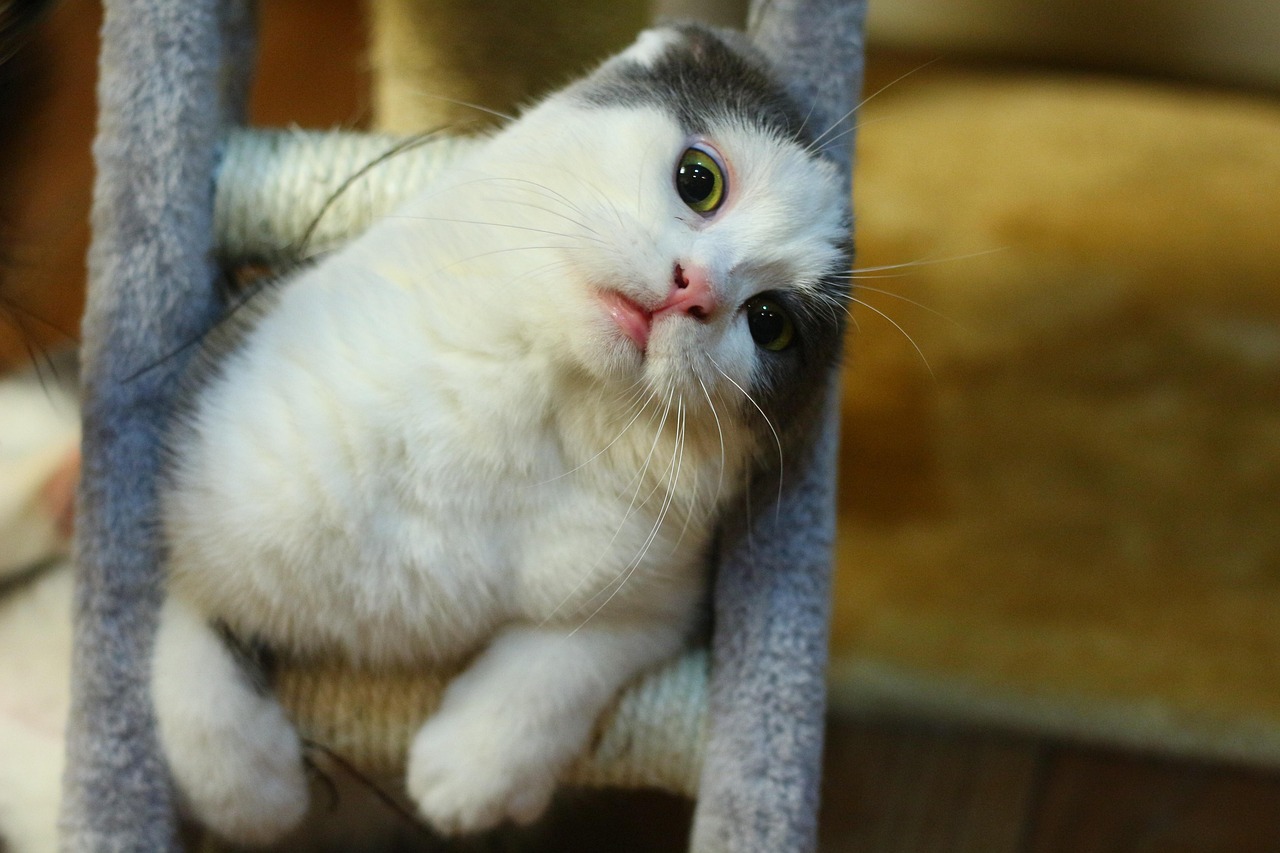
The Munchkin Cat
Taking Care of Your Munchkin Cat
"The Munchkin cat, famous for its tiny legs and big personality, is one of the most talked‑about breeds in the feline world. Behind the adorable, low‑to‑the‑ground look is a genetic mutation that affects limb length—and with that comes unique responsibilities for any caregiver. These cats are typically playful, social, and surprisingly fast, but their altered body structure means you must think carefully about their environment, exercise, and long‑term joint health. As a veterinary-focused guide, this resource will help you understand not only how to keep a Munchkin happy, but also how to recognize early warning signs of pain or mobility issues. You’ll learn what’s normal for this breed, what’s not, and how to work with your veterinarian to monitor their spine, hips, and knees over time. Whether you already share your home with a Munchkin or are considering adopting one, this guide will walk you through daily care, safe play, ideal nutrition, and ethical considerations so you can make informed, compassionate decisions for your cat’s well‑being."
🚨 Common Health & Behavior Issues
⚠️ Joint pain and early-onset osteoarthritis
Root Cause
The Munchkin’s short legs are caused by a form of chondrodysplasia (abnormal cartilage and bone development). This can change how forces are distributed through the joints, especially the elbows, knees, and hips, predisposing some individuals to earlier or more severe degenerative joint disease.
Action Plan
Keep your cat lean with precise portion control and a high-quality, complete diet. Use low-impact play (wand toys, rolling toys) on non-slippery surfaces. Provide ramps or sturdy steps to favorite spots instead of high jumping. Schedule veterinary exams at least annually (biannually for seniors) with specific discussion of mobility, and consider baseline radiographs if your vet recommends them. Use joint supplements (e.g., omega-3s, glucosamine/chondroitin) only under veterinary guidance.
⚠️ Spinal strain and mobility limitations
Root Cause
Although evidence for a universal predisposition to severe spinal disease is mixed, altered limb length and body proportions can affect posture and movement patterns. Repeated jumping from heights, slippery floors, and poorly designed furniture can increase mechanical stress on the spine and supporting muscles.
Action Plan
Design a “low‑impact” home: multiple low to mid-height resting spots with ramps, non-slip rugs, and secure steps. Avoid encouraging high jumps or rough play that involves twisting and sudden stops. Use puzzle feeders and ground-level play to keep them mentally and physically engaged without overloading the spine.
⚠️ Obesity and related health complications
Root Cause
Shorter legs can make even small weight gains more biomechanically significant. Excess body fat increases stress on already-compromised joints and raises risk for diabetes, lower urinary tract disease, and reduced overall mobility.
Action Plan
Feed measured meals instead of free-feeding. Use a kitchen scale to weigh food accurately. Choose a complete, balanced diet appropriate for life stage, and ask your vet for your cat’s ideal body weight and daily caloric target. Incorporate 2–3 short play sessions daily to maintain muscle mass. Recheck body weight every 4–6 weeks and adjust portions gradually.
📅 Expert Care Routine
Daily: Safe play, mobility check, and environment scan
Offer 2–3 play sessions of 5–10 minutes using gentle, ground-based toys (wand toys, balls, food puzzles). Avoid encouraging high vertical leaps. Quickly scan your home for new obstacles or slippery areas; keep favorite resting spots accessible via ramps or steps. Observe your cat’s movement: Are they jumping or climbing as usual? Any hesitation, stiffness, or change in enthusiasm for play should be noted and, if persistent, discussed with your vet.
Daily: Nutrition, hydration, and litter box monitoring
Feed measured portions of a complete, balanced diet, divided into 2–3 meals. Ensure fresh water is always available; consider a fountain if your cat prefers running water. Use low‑entry litter boxes so short legs and potential joint discomfort don’t discourage use. Scoop at least once daily and watch for changes in urine volume, stool consistency, or signs of straining—these can signal pain, urinary issues, or constipation.
Weekly: Grooming, nail care, and body condition check
Brush short-haired Munchkins once weekly; long-haired varieties may need brushing 3–4 times a week to prevent mats, especially around the hindquarters where reaching can be harder. Check nails and trim every 2–4 weeks, paying attention to dewclaws. Gently run your hands along the spine, hips, and limbs to check for tenderness, heat, or swelling. Evaluate body condition: feel for ribs, check the waistline, and record weight at home if you have a reliable pet scale.
Monthly & Yearly: Preventive care and home adjustments
Once a month, reassess your home setup: are perches still easy to reach, or is your cat hesitating? Adjust ramp angles, add non‑slip mats, or lower key resting spots as needed. Maintain year-round parasite prevention as advised by your vet. Schedule at least annual wellness exams (every 6 months for seniors or cats with known joint issues). Ask your veterinarian to perform a focused orthopedic and spinal exam, and discuss whether baseline X‑rays, bloodwork, or joint supplements are appropriate.
The "Must-Have" Setup
Essential gear for keeping your Munchkin Cat healthy.