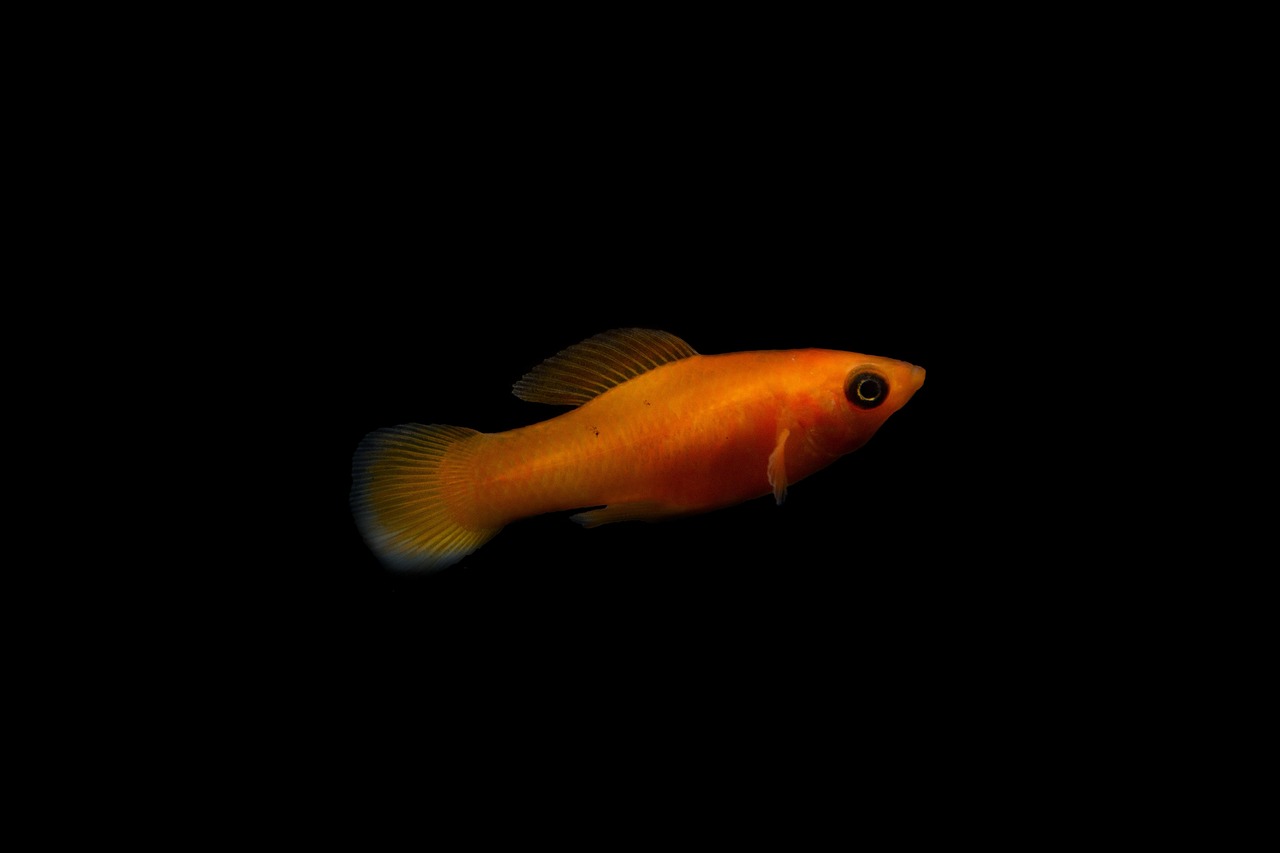
The Platy
Taking Care of Your Platy
"Platies are often sold as the perfect “beginner fish,” but that label doesn’t tell the whole story. These small, brilliantly colored livebearers can be incredibly hardy and forgiving—if you meet a few non‑negotiable needs. When those needs are ignored, platies are just as vulnerable to stress, disease, and early death as any delicate species. The good news is that with a little planning, they reward you with constant motion, peaceful behavior, and even regular baby fry appearing in your tank. As a freshwater fish veterinary specialist, I see the same preventable problems over and over: overcrowded nano tanks, poor water quality, and silent issues like mineral deficiency that slowly weaken these fish. This guide walks you through platy care from a medical and welfare standpoint, not just a hobbyist perspective. You’ll learn how to set up a healthy environment, what to feed for long-term vitality, how to avoid common diseases, and how to manage inevitable fry responsibly. Whether you’re starting your first community aquarium or refining an established setup, these evidence-based tips will help your platies truly thrive, not just survive."
🚨 Common Health & Behavior Issues
⚠️ White spots and flashing (Ich outbreaks)
Root Cause
Ichthyophthirius multifiliis is a protozoan parasite that attacks stressed fish, especially when water temperature fluctuates or new fish are added without quarantine. The parasite invades the skin and gills, causing irritation and respiratory compromise.
Action Plan
Raise temperature gradually to 78–80°F (25.5–26.5°C) if tank mates tolerate it, add extra aeration, and treat with a proven ich medication (malachite green/formalin or ich-specific remedies) per label. Remove carbon from filters during treatment. Keep treatment going for at least 3–5 days after the last visible spot to target free-swimming stages. Test water daily and perform small, frequent water changes to maintain low ammonia and nitrite.
⚠️ Mysterious deaths in new tanks
Root Cause
New Tank Syndrome: toxic ammonia and nitrite spikes occur before a stable nitrifying bacterial population is established. Platies are hardy but their gills and internal organs are still damaged by even moderate ammonia exposure.
Action Plan
Use a liquid test kit to monitor ammonia, nitrite, and nitrate at least twice weekly in the first 2 months. Keep ammonia and nitrite at 0 ppm. If they rise, perform 30–50% water changes, reduce feeding, and consider bottled nitrifying bacteria. Avoid adding the full stock at once; add fish in small groups and wait 1–2 weeks between additions.
⚠️ Lethargy, shimmying, and poor color
Root Cause
Chronic low-grade stress from incorrect water chemistry (too soft, too acidic), vitamin/mineral deficiency, or long-term high nitrate levels. Livebearers like platies evolved in harder, more alkaline water; in soft, acidic setups, osmoregulation is impaired and immune function declines.
Action Plan
Check pH, GH, KH, and nitrate. Aim for pH 7.0–8.2, GH 8–20 dGH, KH 5–12 dKH, and nitrate under 30–40 ppm. If your tap water is very soft, remineralize with a livebearer or cichlid buffer, crushed coral, or mineral salts, adjusting slowly over weeks. Improve diet with high-quality flakes, veggie-based foods, and occasional live/frozen foods.
📅 Expert Care Routine
Daily: Quick health and behavior check
Observe all platies during feeding. Confirm they are active, schooling loosely, and showing normal appetite. Look for clamped fins, gasping at the surface, white spots, frayed fins, or isolation from the group. Remove uneaten food after 2–3 minutes to prevent water fouling. Top off evaporated water with dechlorinated water of similar temperature and parameters.
Twice Weekly: Water testing and light cleaning
Test ammonia, nitrite, nitrate, and pH with a liquid test kit. Ammonia and nitrite should be 0 ppm; nitrate ideally under 30–40 ppm. Wipe algae from glass with an aquarium-safe scraper and gently shake debris from plant leaves. If nitrate is creeping up, plan a larger water change at the next weekly service or add an extra midweek 20% change.
Weekly: Water change and filter care
Change 25–40% of the water with dechlorinated, temperature-matched water. Vacuum the substrate lightly to remove waste, especially in areas of low flow. Rinse mechanical filter media (sponges, pads) in a bucket of old tank water, never under tap water, to preserve beneficial bacteria. Replace only part of the media at a time and avoid over-cleaning to prevent mini-cycles.
Monthly: Stock review and health audit
Count your platies and assess sex ratios (aim for at least 2–3 females per male to reduce harassment). Rehome or separate excess fry to prevent overcrowding. Check equipment (heater, filter, air pump) for proper operation. Review diet variety and expiration dates of foods. Photograph fish to track subtle changes in body condition, fin quality, and coloration over time.
The "Must-Have" Setup
Essential gear for keeping your Platy healthy.