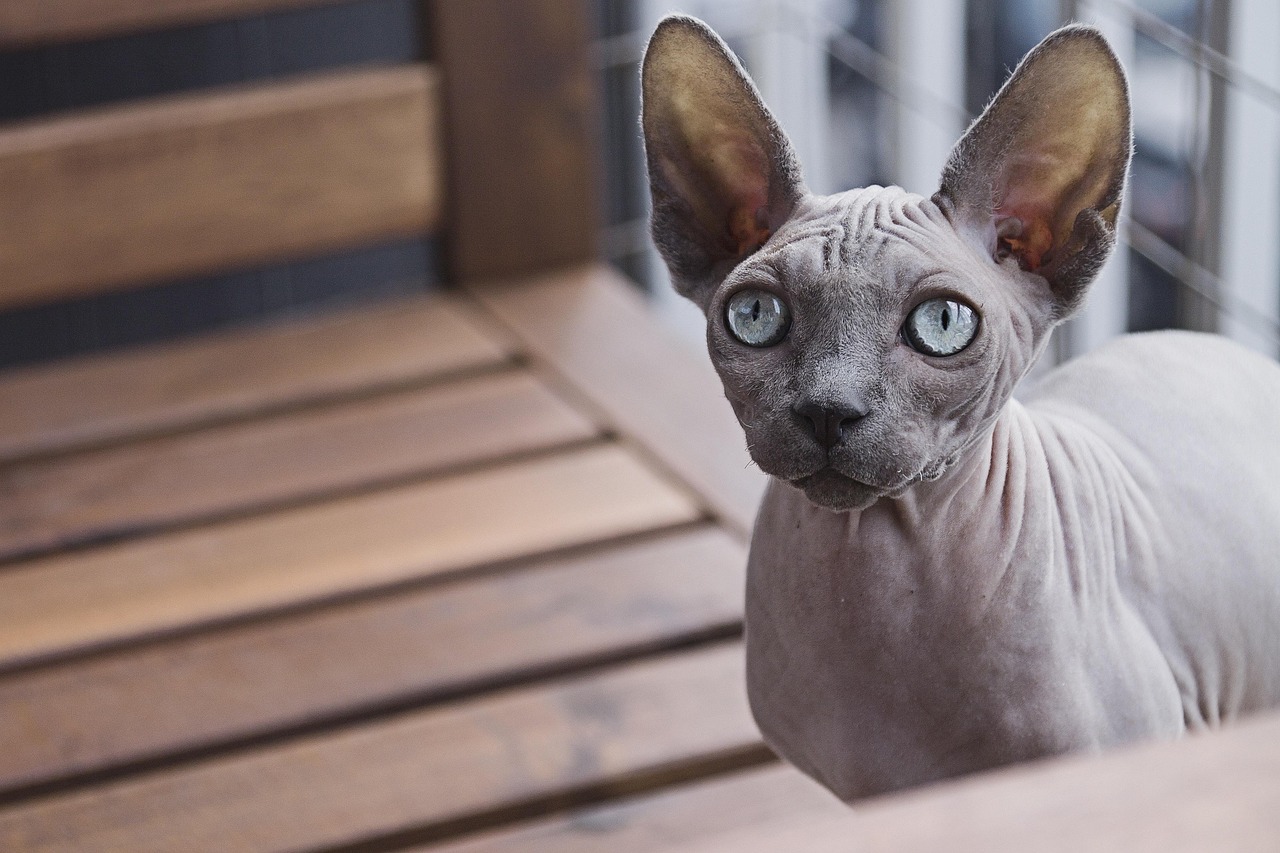
The Sphynx Cat
Taking Care of Your Sphynx Cat
"The Sphynx cat is one of the most misunderstood breeds in the feline world. With their nearly hairless bodies, oversized ears, and expressive eyes, they look like something between a tiny alien and a devoted little goblin shadowing your every move. But beneath that striking appearance is a deeply affectionate, people-oriented cat who thrives on human companionship and routine. Sphynx cats are not low-maintenance just because they lack fur—if anything, they require more intentional care than the average domestic shorthair. Their unique skin, higher metabolism, and tendency to seek warmth create a very specific set of needs. From regular baths to ear cleaning, from managing sun exposure to choosing the right diet, caring for a Sphynx is both rewarding and demanding. When their needs are met, they are playful, social, and endlessly cuddly companions who bond intensely with their families. This guide, written from a veterinary perspective, will walk you through the essentials of Sphynx care so you can prevent common problems before they start and keep your hairless friend comfortable, healthy, and thriving at every life stage."
🚨 Common Health & Behavior Issues
⚠️ Oily skin, blackheads, and recurrent skin infections
Root Cause
Sphynx cats lack a fur coat to absorb natural skin oils (sebum). Sebum and environmental debris accumulate directly on the skin, especially in folds, leading to clogged pores, comedones (blackheads), yeast overgrowth, and secondary bacterial dermatitis.
Action Plan
Establish a gentle, regular bathing routine (typically every 1–2 weeks) using a mild, fragrance-free cat-safe shampoo. Rinse thoroughly and dry completely, especially in skin folds. Avoid over-bathing, which can dry and irritate the skin. Use soft, damp cloth wipes between baths for high-oil areas (neck, armpits, groin). If you see redness, pustules, or your cat seems itchy or uncomfortable, schedule a vet exam; your vet may prescribe medicated shampoos, wipes, or oral medication based on skin cytology.
⚠️ Ear wax build-up and ear infections
Root Cause
Without hair in the ear canal to help trap and move debris, Sphynx cats often produce visible, dark wax that accumulates quickly. This warm, moist environment can favor yeast and bacteria overgrowth, leading to otitis externa (ear infections).
Action Plan
Inspect ears weekly. If you see moderate wax, use a vet-approved ear cleaner: fill the canal, gently massage the base of the ear, then let your cat shake and wipe away debris with cotton pads or gauze (never cotton swabs deep in the canal). If there is a foul odor, redness, swelling, pain, or your cat shakes or scratches excessively, see your vet for an exam and ear cytology to tailor treatment.
⚠️ Chilling, overheating, and sunburn
Root Cause
Sphynx cats lack insulating fur and have a relatively high surface-area-to-volume ratio, making them more sensitive to environmental temperature changes. They lose heat quickly in cool environments and are more vulnerable to direct solar radiation and contact burns from hot surfaces.
Action Plan
Maintain an indoor ambient temperature around 21–24°C (70–75°F) and avoid drafts. Provide warm, soft beds, cat-safe heated pads with thermostats, and cozy clothing if tolerated. Keep them strictly indoors. Block direct sun access during peak hours; use UV-filtering window film if your cat loves window perches. Never use human sunscreen unless your vet recommends a specific product—many are toxic if licked. Avoid hot radiators, stoves, and space heaters your cat can touch.
📅 Expert Care Routine
Daily: Warmth, hygiene checks, and interaction
Keep your Sphynx indoors in a stable, warm environment. Offer warm sleeping spots and safe heated beds. Briefly check skin, ears, and eyes once a day: look for redness, crusts, or discharge. Wipe oily spots (chin, neck, armpits) with a soft, damp cloth or vet-approved pet wipe as needed. Provide at least two dedicated play sessions of 10–15 minutes using interactive toys to burn energy and maintain a healthy weight. Ensure fresh water is always available and feed scheduled meals appropriate for age and activity.
Weekly: Skin, ears, and nail maintenance
Perform a more thorough skin inspection once a week. Clean ears with a vet-approved ear cleaner if you see visible wax. Wipe between toes and around nail beds, where oil and dirt accumulate, and trim nails every 1–2 weeks. Clean nail beds with a damp cotton pad or gauze after trimming. Launder blankets, clothing, and bed covers weekly to reduce oil build-up and bacteria. Use this time to weigh your cat on a baby or pet scale to monitor subtle weight changes that could indicate health issues.
Every 1–2 weeks: Full bath
Place a non-slip mat in a tub or sink and use lukewarm water. Wet your Sphynx gently, avoiding direct water in the ears and eyes. Lather with a small amount of mild, fragrance-free, cat-safe shampoo, focusing on folds, neck, chest, and belly. Rinse thoroughly until the water runs clear and no slick residue remains. Pat-dry with a soft towel and keep your cat in a warm, draft-free room until fully dry. Reward with treats to build a positive association. Adjust frequency depending on your cat’s individual oil production and skin health, under veterinary guidance.
Monthly and yearly: Preventive health care
Each month, review parasite prevention (fleas, ticks, intestinal worms, heartworm where applicable) using products recommended by your vet. Check that vaccinations are up to date. Brush teeth with a cat-safe toothpaste several times a week, aiming for daily, and schedule professional dental cleanings as advised. For Sphynx cats, annual veterinary exams are the minimum; many vets recommend twice-yearly visits due to breed-associated conditions like hypertrophic cardiomyopathy (HCM). Ask your vet about periodic heart screening (echocardiograms) and bloodwork, especially for breeding animals or cats over 5–6 years old.
The "Must-Have" Setup
Essential gear for keeping your Sphynx Cat healthy.