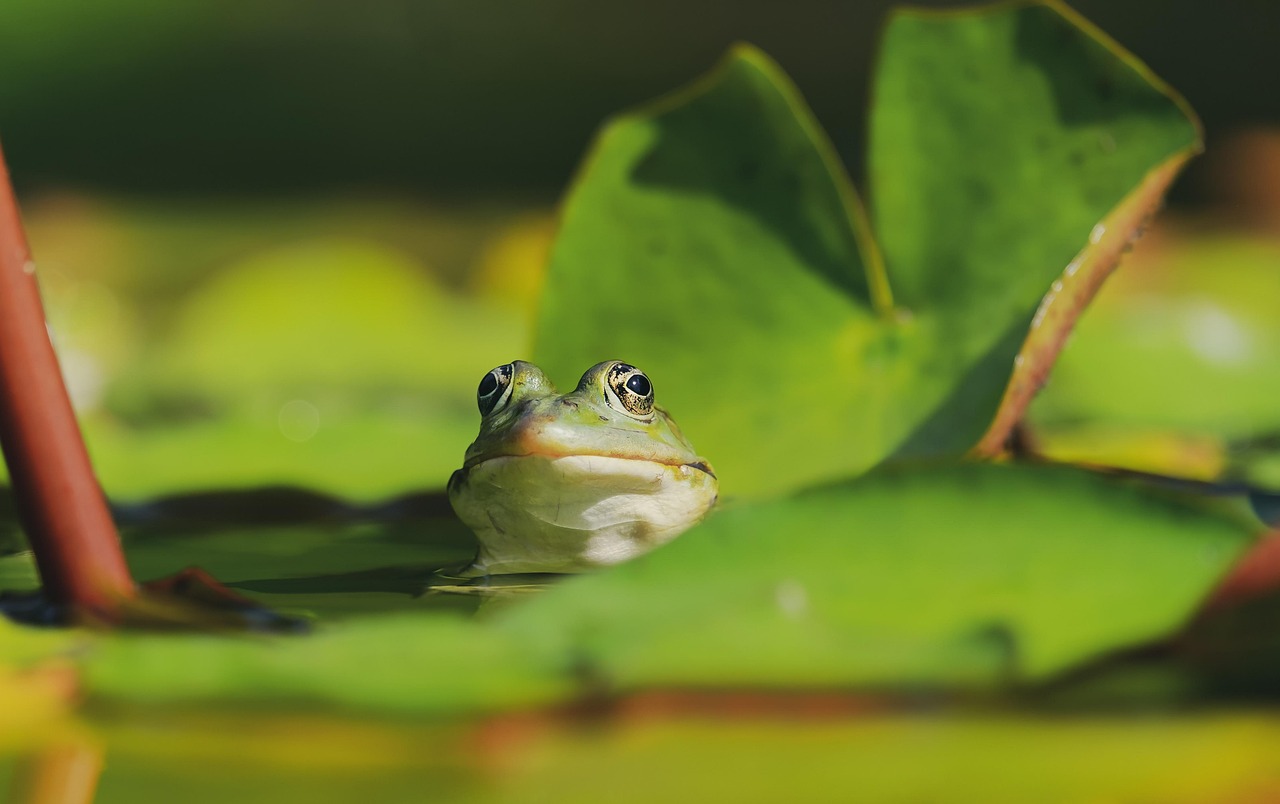
The Tree Frog
Taking Care of Your Tree Frog
"Tree frogs are some of the most captivating amphibians you can keep, with big curious eyes, sticky toe pads, and calm, nocturnal habits that make them perfect for quiet evening observation. Whether you’re drawn to the iconic Red‑Eyed Tree Frog or the hardy White’s (Dumpy) Tree Frog, their needs are similar: a tall, planted enclosure, clean water, and carefully managed temperature and humidity. While they’re often marketed as beginner pets, tree frogs are still sensitive, small animals whose health can decline quickly if their environment is wrong. This guide walks you through everything that actually matters from a veterinary perspective: how to set up a safe vertical habitat, what to feed and how often, how to avoid deadly mistakes like dehydration, toxic substrates, and vitamin deficiencies, and which warning signs mean you need a vet now. If you follow these steps, your tree frog can live many years, display natural behaviors, and stay bright‑eyed and active. Use this as a practical checklist before you buy any supplies or bring a frog home, and refer back whenever you adjust their enclosure or routine."
🚨 Common Health & Behavior Issues
⚠️ Skin Shedding Problems (Retained Shed)
Root Cause
Tree frogs shed frequently and rely on consistent humidity and proper hydration to loosen old skin. Low humidity, poor ventilation, or underlying illness can cause dry, stuck skin around toes, eyes, and limbs, restricting circulation and movement.
Action Plan
Immediately check and correct humidity (aim for 60–80% with good airflow). Provide a humid hide or add live plants and partially cover the screen lid to retain moisture without soaking the enclosure. Offer a shallow, dechlorinated water dish and avoid handling. If shed is stuck on toes or eyes, place the frog in a ventilated container with damp, lukewarm paper towels for 15–20 minutes and then gently recheck. If skin remains stuck, toes look swollen, or the frog seems lethargic, seek an exotics vet within 24–48 hours.
⚠️ Nutritional Metabolic Bone Disease (MBD)
Root Cause
An imbalanced diet of mostly crickets without proper calcium and vitamin D3 supplementation leads to chronic calcium deficiency. Frogs cannot store enough calcium without regular intake and D3 for absorption, causing soft bones, limb deformities, tremors, and fractures.
Action Plan
Immediately start dusting feeder insects with a phosphorus‑free calcium powder at most feedings and a reptile/amphibian multivitamin 1–2 times per week (species and age dependent). Offer a wider range of gut‑loaded insects (crickets, roaches, black soldier fly larvae, etc.). If you see limb bowing, difficulty jumping, jaw softness, or tremors, schedule an urgent appointment with an exotics veterinarian for radiographs and injectable calcium/vitamin therapy. Do not attempt to correct severe MBD with supplements alone at home.
⚠️ Red, Swollen Belly or Legs (Possible Septicemia or Skin Infection)
Root Cause
Tree frogs absorb water and chemicals directly through their skin. Poor hygiene, dirty water, or contaminated substrate can allow bacteria or fungi to invade, leading to skin irritation, ulceration, and potentially life‑threatening bloodstream infections. Early signs include reddened skin on the legs or belly, lethargy, and loss of appetite.
Action Plan
Immediately replace all water with dechlorinated, conditioned water. Spot‑clean waste daily and perform a full substrate change if the enclosure smells foul or looks visibly dirty. Reduce stress by minimizing handling and bright light. Monitor closely for 24 hours; if redness spreads, the frog becomes inactive, floats oddly, or refuses food, seek emergency care with an amphibian‑experienced vet for cultures and systemic antibiotics/antifungals. Avoid overusing disinfectants directly on frogs or decor without thorough rinsing.
📅 Expert Care Routine
Daily: Check, Mist, and Spot‑Clean
Each evening (when your tree frog is naturally more active), visually check the frog’s posture, breathing, and skin. Confirm temperature and humidity with digital gauges at frog height. Lightly mist the enclosure walls and plants to maintain 60–80% humidity without leaving standing water on the floor. Remove any uneaten insects, feces, or shed skin with dedicated tongs. Refill the shallow water dish with fresh, dechlorinated water. Avoid unnecessary handling; observe from outside the glass to reduce stress.
Feeding Schedule: 3–4 Evenings per Week
Offer appropriately sized, gut‑loaded insects (no larger than the width of the frog’s head) in the evening. Juveniles may eat daily; adults usually do well on 3–4 feedings per week. Rotate feeders such as crickets, dubia roaches, black soldier fly larvae, and occasional waxworms as treats. Dust insects with calcium without D3 at most feedings and use a vitamin/mineral supplement with D3 1–2 times weekly (adjust based on species and presence of low‑level UVB lighting). Remove any uneaten prey after 20–30 minutes to prevent insects from biting or stressing the frog.
Weekly: Deep Clean and Health Check
Once a week, clean the water dish with hot water (no soap) and a frog‑only brush, then refill with conditioned water. Wipe down glass where waste accumulates using paper towels dampened with dechlorinated water. Gently inspect your frog for retained shed, redness, swelling, or weight loss; compare to photos taken monthly. Trim or rearrange live plants as needed to maintain climbing space and hiding spots. Check all equipment—misters, heaters, lights—to ensure they function safely and consistently.
Monthly: Substrate Refresh and Setup Audit
Every 4–6 weeks (more often for simple setups), replace loose substrate or refresh bioactive layers as needed, removing decaying plant matter and waste pockets. Rinse decor with hot water and allow it to dry completely before returning it to the enclosure. Verify that your thermostat and timers are calibrated and that the photoperiod (light/dark cycle) matches natural day length for your region or species. Use this time to review your frog’s weight, appetite, and behavior trends; adjust feeding frequency, misting, or enclosure layout based on growth and activity.
The "Must-Have" Setup
Essential gear for keeping your Tree Frog healthy.